
After our interview, the first thing Armen wanted to show me was the vending machine. He raced down three flights of stairs, descending into the cavernous basement, which held the kinds of contraptions you would be more likely to see on a construction site or electronics store than a newly opened school just north of Yerevan’s airport in Parakar.
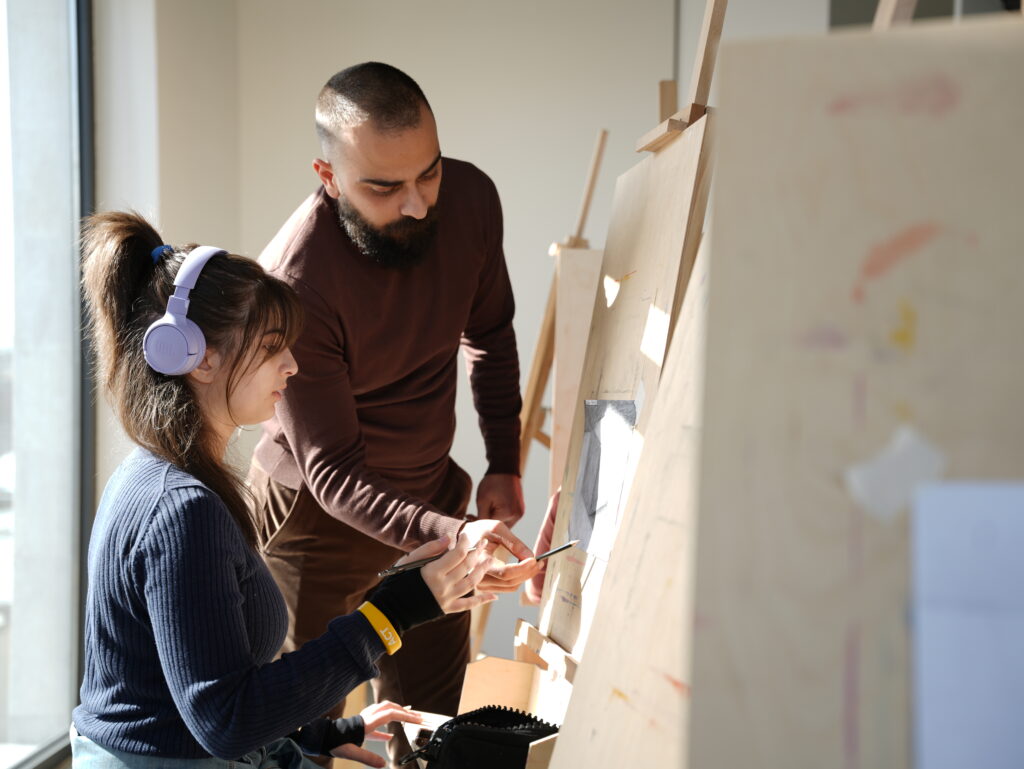
We weren’t rushing for a snack or soda. Armen actually helped build this machine alongside his classmates in the engineering hub at ACT College, a new educational institution that has been open for less than a year, but already feels like a place students don’t want to leave.
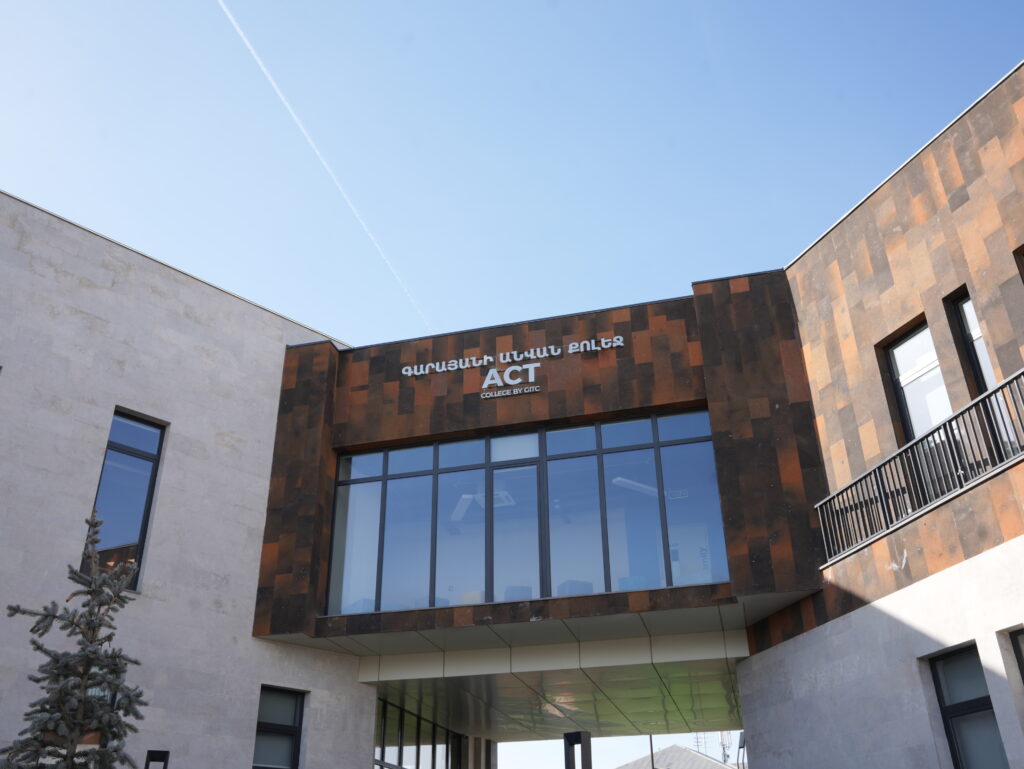
“ACT College, or the Armenian Creative Technologies College, is a kind of playground for students with a penchant for tinkering with machines, disassembling, reassembling, and attempting to create any far-fetched project that piques their interest.”
Supported by the Fund for Armenian Relief (FAR), the school by GITC occupies a building that was, until 2023, a derelict shell that the founding team was determined not to see turned into another hotel or restaurant. As of now, the school accepts a maximum of 300 students, the college enrolls kids after ninth grade, the point in the Armenian education system where young people usually choose between a general high school or vocational tracks.
Students here currently leave with both a state-recognized high school diploma and a narrow professional qualification in computer science, engineering and manufacturing, or digital art. It is the only institution in Armenia combining these vocations the way they do, explains director Amalya Yeghoyan. These are the kinds of students who will be ready for whatever changed world faces them upon graduation. Many students say they still want to follow a traditional route for their education following school, though the ambitions are notably high — schools such as MIT and Harvard are mentioned a few times. Another tells me she wants to go into video game design.
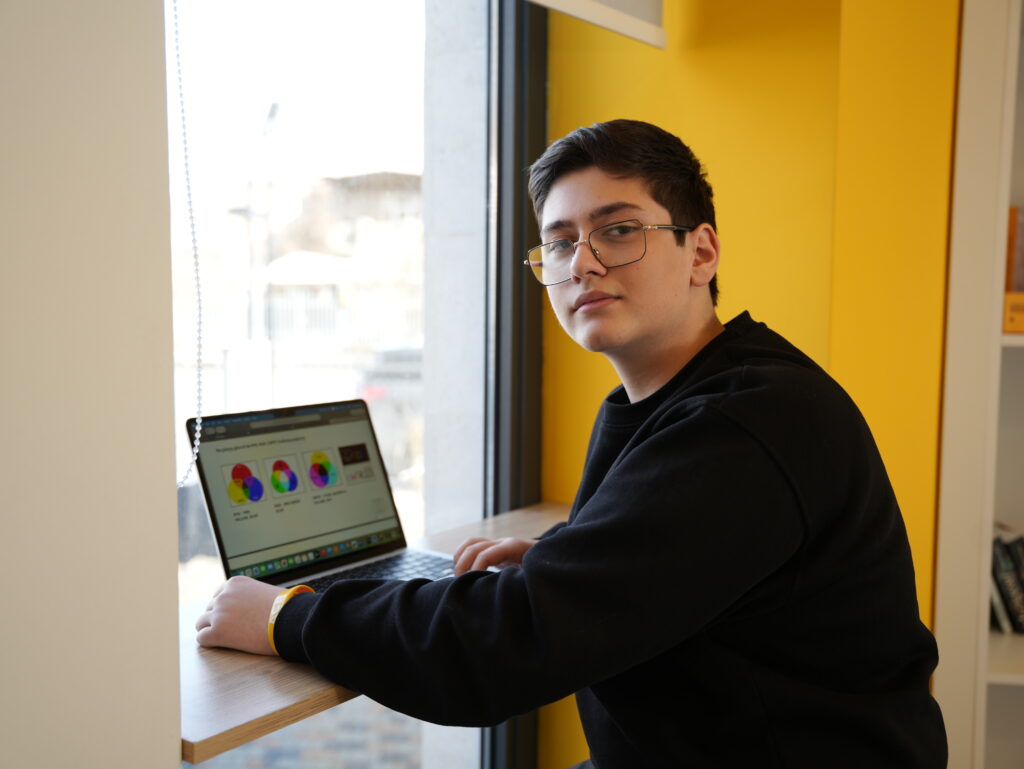
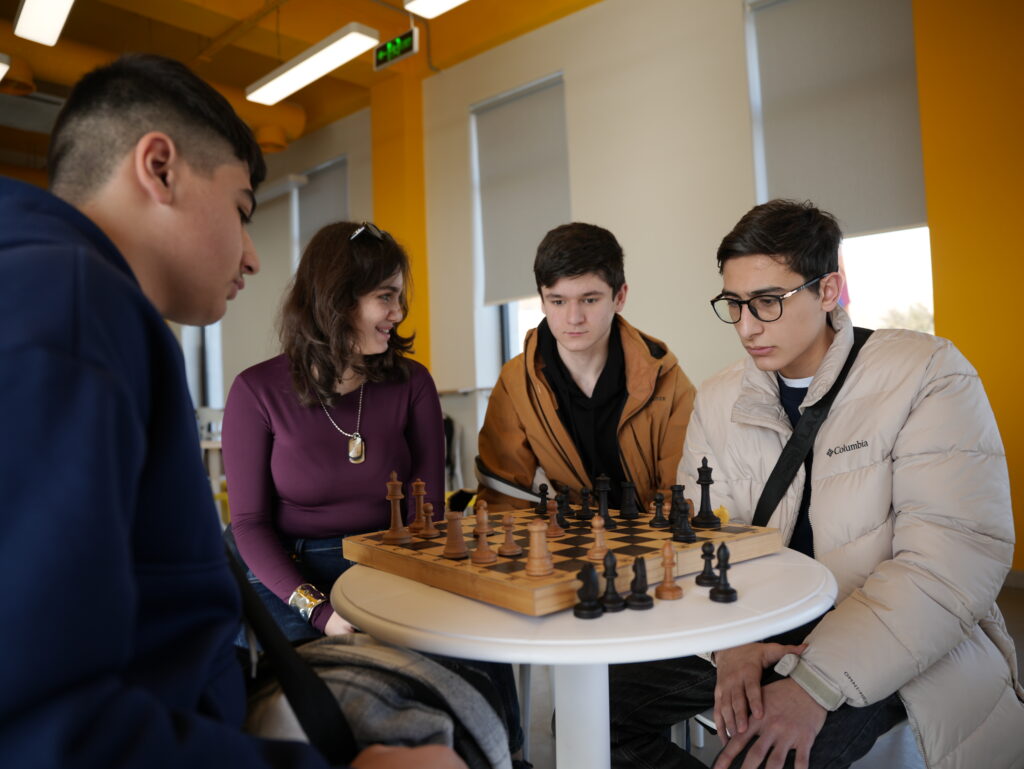
“I actually enrolled in many different schools,” Armen told me, “but I chose here because the topics were more interesting. The atmosphere was much better.” His friends were skeptical at first; they asked him what this new place was and why he was going there. But now, he says a little smugly, they text him when they see his school bus go by — which students get to ride for free — curious to know what he’s up to at school that day.
While his old school friends were likely listening to a lecture on Armenian grammar, Armen was busy building a vending machine that solves a classic inconvenience — the sensor detects whether food has actually fallen before ending the transaction. There are mechanisms that spin the spring, propelling the snack; if the ultrasonic sensor detects that the food hasn’t fallen, the spring continues spinning. Armen wants to place several of these around central Yerevan. Across the room, his classmates are working on a remote-control system for a Tesla, the computer science students are writing the code, and the engineering students are working on the hardware. There is a robotic hand that the students are working to control remotely. Armen also mentions their design for a boat motor. The idea is to take a cruise on Lake Sevan with reduced fuel consumption. All this in an ordinary school day.
“The world is changing very quickly,” Yeghoyan said, emphasizing that they want to prepare students to be ready.
The stark contrast with conventional Armenian school came up again and again among the students and Yeghoyan herself. “In typical schools, students feel forced to study,” one boy said. “Here, the teachers try to teach them that learning can benefit them, and suddenly it’s interesting.” Another boy tells me that he didn’t even want to go to class in his previous school.
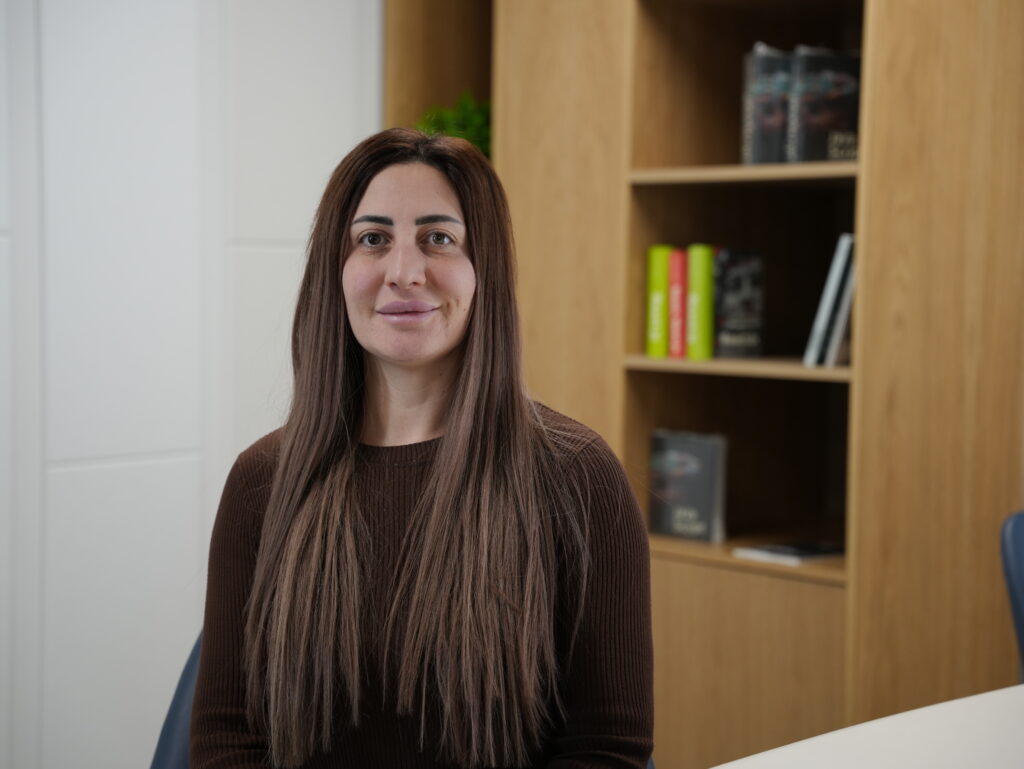
Yeghoyan, who grew up in Gyumri, says she deliberately designed ACT to go against everything that frustrated her about her own schooling. She was a high-performing student who didn’t always complete her readings and homework, and the teachers resented it. “Here, I want the opposite,” she says. “We don’t say something is forbidden; they are responsible for their own decisions.” When the school first opened, she remembers how shocked the students were that the director was smiling at them and asking about their day. They call her enger Amalya. This sense of closeness with the students has helped them feel important and unafraid. “They’re open-minded, and they’re not afraid of expressing even their most ambitious wishes to us,” she says.
There are no physical books and no paper; instead, students use Kindles and digital devices. And every administrative function, from enrollment to cafeteria orders to exams and exam results, runs through a software platform built in-house. Students enter the building with a bracelet that logs attendance automatically. Even the utilities, such as the lighting, electricity, and opening and locking doors, are managed through digital systems optimized for usage. “Sometimes people are surprised that only seven administrative people can manage the whole college,” Yeghoyan said. “It’s possible.” A financial management program is also under development to eventually handle accounting without dedicated accountants.
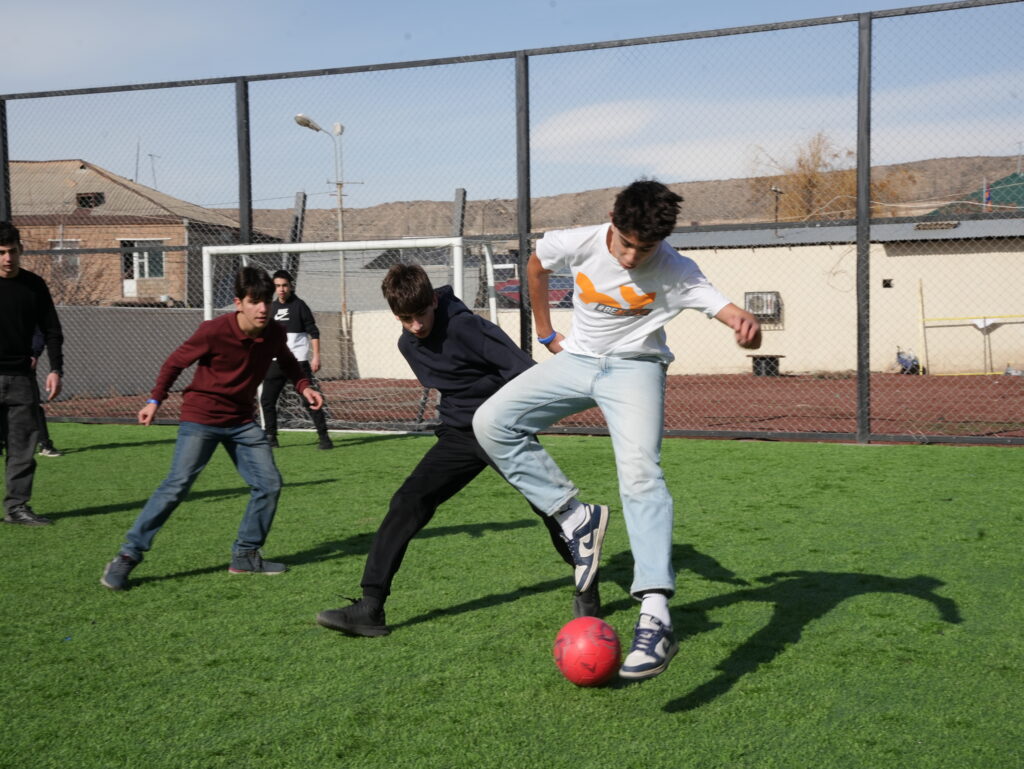
The cafeteria runs on a points system, where students can earn coins for good grades, attendance, and extracurricular or community participation, and parents can top up their accounts through the portal. High-pitched shouts and cheers are coming from the window in the conference room where I’m sitting with Yeghoyan. There is a football championship between the teachers and the students. “Our students need soft skills and emotional intelligence to survive with AI,” she says. “The important thing is that our students come home happy. They can’t wait to wake up early the next morning and come to school.”
The only complaint I hear is the bus driver’s. He gets annoyed waiting for the students who don’t want to go home.